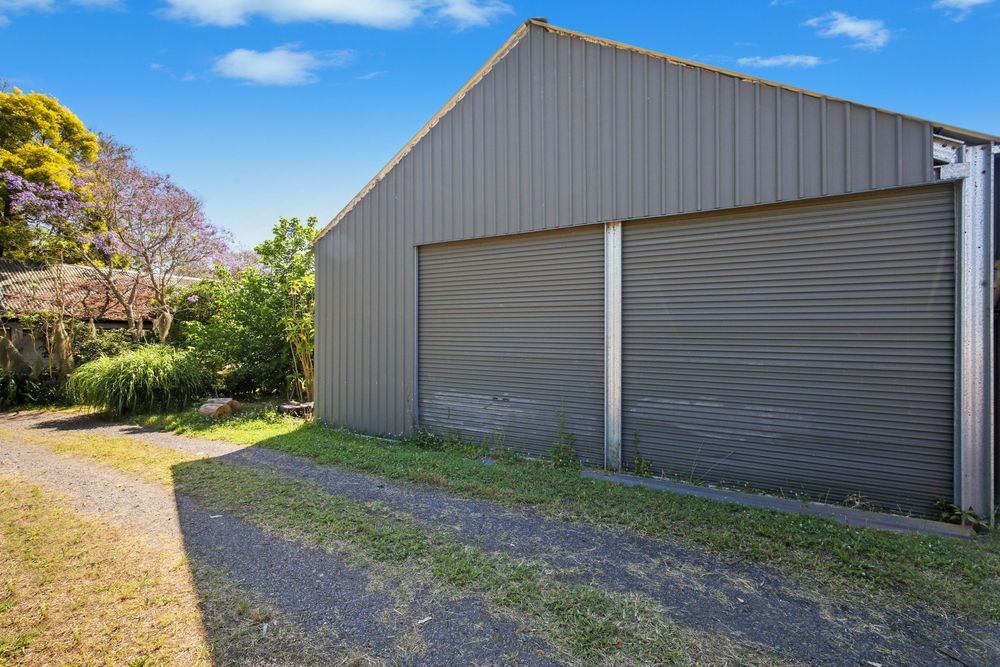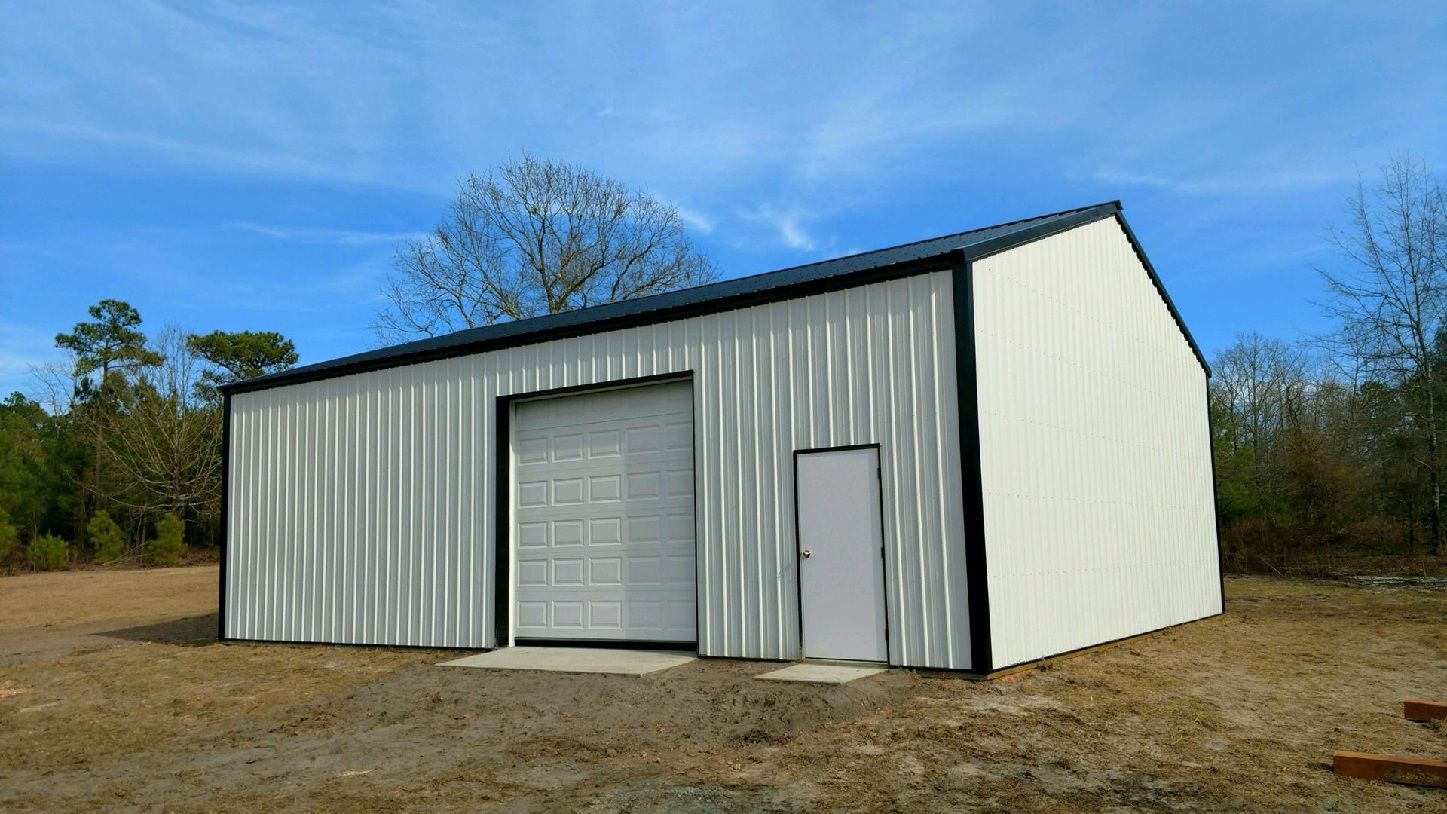
Why Steel Sheds Are Ideal For High-Wind & Storm-Prone Areas
Storm season can arrive with little warning, bringing strong winds, heavy rain and flying debris that test the limits of any outdoor structure. For property owners, this often raises a practical question: what type of shed can handle these conditions without constant repairs or ongoing concerns?
Steel sheds have become a widely chosen option in areas exposed to harsh weather, not by chance, but because of how they are designed, supplied and installed. From structural strength to anchoring systems and wind rating compliance, there are several reasons why steel stands out when conditions become unpredictable.
Below, we explore the key factors that make custom sheds in Newcastle a suitable choice for high-wind and storm-prone environments.
Built for Structural Strength
At the core of any shed’s performance in extreme weather is its structural integrity. Steel, by its nature, provides a rigid and stable framework that responds differently to stress compared to timber or lightweight materials.
Steel sheds are designed to distribute wind loads across the entire structure rather than concentrating pressure in one area. This helps reduce the likelihood of warping or shifting during strong gusts.
Key structural considerations include:
- Steel framing that maintains its shape under pressure
- Connections designed to handle movement without loosening
- Roofing & wall systems that work together as a unified shell
This type of construction supports long-term durability, particularly in environments where repeated exposure to wind events is common.
Engineered For Local Wind Ratings
Wind ratings are an important part of shed design, particularly in regions where weather conditions can vary significantly. These ratings determine how a structure is expected to perform under specific wind speeds and conditions.
Steel sheds can be supplied to meet required wind classifications, which are based on factors such as terrain, elevation and exposure.
Important aspects of wind-rated shed design include:
- Compliance with Australian building standards
- Consideration of regional wind zones during planning
- Design adjustments based on site-specific conditions
Selecting a shed that aligns with local wind rating requirements helps reduce uncertainty around how the structure may behave during severe weather.
Secure Anchoring Systems
Even the strongest shed requires a stable connection to the ground. Anchoring plays a critical role in preventing uplift, sliding or movement during storms.
Steel sheds are typically paired with anchoring systems designed to suit different foundation types, including concrete slabs and footings.
Common anchoring features include:
- Bolted connections that secure the frame to the base
- Footings designed to resist uplift forces
- Reinforced base plates for added stability
The combination of a solid structure and appropriate anchoring contributes to how the shed performs when exposed to high winds.
Durable Cladding & Roofing
External materials are often the first line of defence during a storm. Steel cladding and roofing systems are designed to withstand exposure to rain, wind and debris while maintaining their form.
Unlike some alternative materials, steel panels are less likely to absorb moisture, which can be a contributing factor in long-term deterioration.
Material considerations include:
- Corrugated or ribbed profiles that add strength
- Coatings designed to resist corrosion in outdoor environments
- Fixings that secure panels firmly to the frame
These elements work together to create an outer layer that supports the overall resilience of the shed.
Reduced Maintenance in Harsh Conditions
Frequent exposure to wind and rain can accelerate wear on outdoor structures. One of the practical advantages of steel sheds is their relatively low maintenance requirements when compared to other materials.
Steel does not face the same risks associated with rot or pest damage, which can become more noticeable in damp or storm-affected areas.
Maintenance-related benefits include:
- Fewer material replacements over time
- Resistance to common environmental factors
- Straightforward cleaning & inspection processes
This can make steel sheds a practical option for those looking to minimise ongoing upkeep in challenging conditions.
Flexible Design for Site Conditions
Not all properties are the same, and wind exposure can vary even within the same region. Steel sheds can be customised to suit different layouts, sizes and environmental considerations.
This flexibility allows for design adjustments that take into account the specific conditions of a site, rather than relying on a one-size-fits-all approach.
Customisation options often include:
- Adjusting shed dimensions to reduce wind resistance
- Orientation choices to align with prevailing wind directions
- Door & opening placements that limit exposure
For those considering custom sheds in Newcastle, this level of adaptability can be useful when planning for long-term use in unpredictable weather.
Consistent Material Performance
Consistency in material behaviour is another factor that contributes to the suitability of steel sheds in storm-prone areas. Steel responds predictably to changes in temperature and moisture, which can help maintain structural stability over time.
This consistency supports planning and design, as the performance characteristics of steel are well understood across a range of conditions.
Material performance features include:
- Minimal expansion & contraction compared to some alternatives
- Stable load-bearing properties
- Compatibility with engineered design standards
This reliability can be an important consideration when selecting materials for structures exposed to varying environmental conditions.
Supporting Compliance & Approval Processes
When installing a shed, compliance with local regulations and building requirements is often part of the process. Steel sheds designed with wind ratings and structural considerations in mind can assist in meeting these requirements.
This can be particularly relevant in areas where councils or authorities require documentation relating to wind classifications and structural design.
Compliance-related considerations include:
- Alignment with Australian Standards for structural design
- Documentation that supports approval applications
- Design features that reflect local building requirements
Having these elements addressed during the planning stage can help streamline the process of moving from concept to installation.
Final Thoughts & Next Steps
Choosing a shed for a high-wind or storm-prone area involves more than selecting a size or style. It requires careful consideration of how the structure will respond to environmental conditions over time.
Steel sheds offer a combination of structural strength, adaptable design and compatibility with wind rating requirements, making them a practical option for properties exposed to changing weather.
Get In Touch
At Metal Mates, we understand the challenges that come with building in areas affected by strong winds and storm activity, particularly when planning structures that need to stand up to local conditions. If you’re considering custom sheds in Newcastle, we can help you explore options that align with your site and requirements. Get in touch with us to discuss your project and take the next step toward a shed designed with your environment in mind.